
Feeling well does not always tell you what is happening inside your coronary arteries. A preventive heart scan near Pembroke Pines uses CT imaging to look for calcium within plaque in the arteries that supply blood to your heart.
The scan produces a coronary artery calcium score. That score cannot predict the future or diagnose every heart condition, but it may reveal information that routine blood pressure and cholesterol checks cannot provide on their own.
Life Imaging serves Pembroke Pines residents through our Deerfield Beach center. Our role is to perform the scan and provide a report reviewed by a licensed radiologist. You can then discuss the findings with your physician.
Concerned about your family history or cardiovascular risk? Contact Life Imaging to ask about heart scan eligibility and appointment availability.
What a Heart Scan Looks for
A preventive heart scan checks for calcified plaque in the coronary arteries. These arteries can gradually collect plaque made from cholesterol, calcium, fat, and other substances.
The CT scan detects the calcium contained in that plaque. A computer then calculates a coronary artery calcium score, also called an Agatston score.
The result gives your physician another way to consider your cardiovascular risk. It can be particularly useful when cholesterol, blood pressure, family history, and other risk factors do not provide a clear answer on their own.
A heart scan does not show every form of plaque. It also does not tell your physician the exact percentage of arterial narrowing. The examination is meant to add information, not replace a complete medical assessment.
Reasons Pembroke Pines Adults Consider Heart Screening
People schedule heart scans for different reasons. Some have spent years monitoring their cholesterol. Others recently learned that a parent or sibling developed heart disease at a young age. Many simply want a clearer baseline as they move through midlife.
Several factors may lead to a conversation about screening:
- Heart disease in your immediate family: A family history of early coronary heart disease can affect your personal risk, even when you exercise and generally feel healthy.
- High blood pressure or unhealthy cholesterol levels: These measurements help estimate risk, but they do not show whether calcified plaque is already present in your coronary arteries.
- Current or previous tobacco use: Smoking can damage blood vessels over time. Former smokers may still have concerns about the effects of their earlier exposure.
- Diabetes or multiple cardiovascular risk factors: Diabetes, limited physical activity, excess weight, and other factors can overlap. Your physician can help determine whether calcium scoring would provide useful information.
- Uncertainty after a routine risk assessment: Sometimes a person falls somewhere between low and high risk. A calcium score may help make the next conversation with a physician more specific.
Having one of these factors does not mean that you have coronary artery disease. It means there may be a reason to ask whether preventive heart imaging is appropriate for you.
Understanding Your Coronary Calcium Score
The score reflects the amount of calcified plaque detected during the examination. It is not a pass or fail result, and it should not be interpreted without the rest of your health information.
When the Score Is Zero
A score of zero means that no calcified plaque was visible on the scan. That is generally a favorable finding, but it does not mean your lifetime heart risk is zero.
The scan may not detect noncalcified plaque. Heart disease can also develop later, particularly when blood pressure, cholesterol, smoking, diabetes, or other risk factors are not well controlled.
When Calcium Is Detected
A score above zero means that some calcified coronary plaque was found. In general, a higher number represents a greater measured burden of calcified plaque.
The same score can carry different meaning for two different people. Your age, symptoms, medical history, family history, and other test results all matter. Your physician can put those pieces together and explain whether follow-up is appropriate.
Information about coronary calcium scans is also available from the National Heart, Lung, and Blood Institute.
Heart Scan Preparation and Appointment Details
A coronary calcium scan usually requires little preparation. We provide instructions before your visit so that you know what to expect.
You may be asked to avoid caffeine or smoking for a period before the appointment because both can affect your heart rate. Comfortable clothing is a sensible choice, and jewelry or metal clothing may need to be removed from the chest area.
Please tell our team if you:
- Are pregnant or think you could be pregnant, since the examination uses CT radiation.
- Have completed a previous calcium scan, especially if your physician wants to compare the earlier report with a new one.
- Have a known heart condition, previous heart attack, coronary stent, or bypass surgery. A different cardiac examination may be more useful in these situations.
- Are currently experiencing chest discomfort, severe shortness of breath, fainting, or other concerning symptoms. Preventive screening is not designed to evaluate a possible emergency.
These details help us determine whether a routine screening appointment is suitable.
What Happens During a Coronary Calcium Scan?
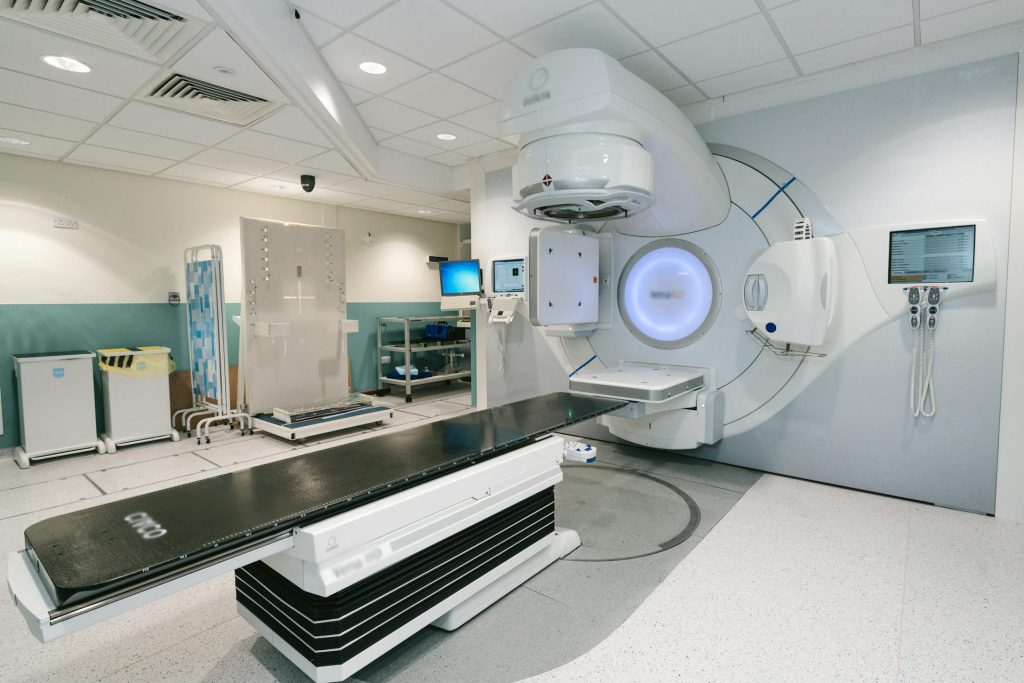
When the scan begins, you will lie on a padded CT table. Small adhesive electrodes are placed on your chest to track your heartbeat while the images are collected.
The table moves through the CT scanner, which is open at both ends. You may hear the scanner working around you, but you will not feel the images being taken. A technologist may ask you to hold your breath briefly so that normal chest movement does not blur the pictures.
The imaging itself generally takes about 10 to 15 minutes. Registration and preparation add some time to the visit.
A standard calcium scan normally does not involve:
- Contrast material
- Needles
- Sedation
- A lengthy recovery period
Most people can return to their normal plans after leaving the center.
What Happens After the Heart Scan?
A licensed radiologist reviews the CT images and prepares a written report. The report includes your coronary calcium score and other relevant observations from the examination.
We encourage you to share the report with your physician. Your doctor can consider the result alongside your cholesterol levels, blood pressure, blood sugar, smoking history, family history, and current health.
Depending on the full picture, your physician may recommend no immediate change, closer monitoring of risk factors, further evaluation, or another cardiac test.
Do not start aspirin, supplements, or prescription medication based on the calcium score alone. Even widely available products can carry risks, and treatment should be guided by a healthcare professional who knows your medical history.
What a Preventive Heart Scan Cannot Tell You?
It is easy to expect one scan to settle every concern about heart health. A calcium scan has a narrower purpose.
The examination does not measure how well your heart pumps, evaluate its valves, record its rhythm, or determine how blood flows during exercise. It also cannot identify every soft or noncalcified plaque deposit.
A calcium scan is different from:
A Stress Test
A stress test evaluates how your heart responds to physical activity or medication. It may include heart rhythm monitoring and other measurements not included in calcium scoring.
An Echocardiogram
An echocardiogram uses ultrasound to examine the heart’s chambers, valves, structure, and pumping motion. A calcium scan uses CT imaging to look for calcified coronary plaque.
A Coronary CT Angiogram
A CT angiogram uses contrast material to create more detailed images of the coronary arteries. It is performed for different clinical reasons and should not be confused with a noncontrast calcium scan.
Heart Screening Is Not a Test for Active Symptoms
A preventive heart scan is intended for eligible people who are not experiencing symptoms of a possible heart problem.
If you have new chest pressure, severe shortness of breath, fainting, sweating with chest discomfort, or pain spreading to your arm, jaw, shoulder, or back, do not wait for a screening appointment. Call 911 or seek emergency medical care.
A normal calcium score should never be used to dismiss new symptoms. Likewise, a higher score does not confirm that a heart attack is imminent. Both situations require appropriate medical interpretation.
Heart Scans and Radiation Exposure
A coronary calcium scan uses a relatively small amount of CT radiation. The exposure is limited, but it is not zero.
That is one reason the examination should have a clear preventive purpose. Scheduling repeated scans without medical guidance does not necessarily provide better protection.
Your physician can help you weigh the possible value of the information against radiation exposure, age, previous imaging, and your individual risk factors.
Accessing Heart Screening from Pembroke Pines
Pembroke Pines residents can receive Life Imaging services through our Deerfield Beach location. Before making the drive, contact our scheduling team to confirm eligibility, available appointment times, and preparation instructions.
We recommend allowing enough travel time for South Florida traffic, particularly when your appointment falls during the morning or evening rush. Arriving without feeling hurried can make the check-in process easier.
Life Imaging also maintains a general preventive imaging page for Pembroke Pines residents, where you can learn about other available screening services.
Why Choose Life Imaging for a Heart Scan?
We know that scheduling a heart scan can bring up questions. People want honest answers about what the scan can and cannot show, and how the results will be delivered to them.
Our approach keeps the examination focused:
Why Choose Life Imaging for a Heart Scan?

- Simple preparation: Most calcium scans do not require fasting, sedation, injections, or contrast material. We explain any appointment instructions before you arrive.
- A brief, noninvasive examination: The scan is generally completed within minutes, although the overall visit also includes registration and preparation.
- Radiologist reviewed results: A licensed radiologist evaluates the images and prepares a report for you to share with your physician.
- Educational guidance without medical overreach: We can explain how the examination works. Your physician remains responsible for interpreting the result and recommending care.
- Access to The Prevention Initiative: Qualified households may be eligible for a funded baseline heart scan. Eligibility requirements apply and must be confirmed during scheduling.
Learn more about The Prevention Initiative or contact us to ask whether you qualify.
Frequently Asked Questions
Yes. Coronary plaque can accumulate without causing noticeable symptoms, especially during its earlier stages. However, preventive screening is not appropriate for everyone. Your age, family history, cholesterol, blood pressure, diabetes status, smoking history, and previous heart conditions should all be considered.
In this context, yes. A preventive heart scan uses CT imaging to look for calcified plaque and calculate a coronary artery calcium score. Other examinations may also be described informally as heart scans, so confirm which test is being offered before scheduling.
Yes. Cholesterol is measured in your blood, while a calcium scan looks for calcified plaque in the coronary arteries. A person can have elevated cholesterol and no detectable coronary calcium at the time of the scan. Your physician may still recommend addressing cholesterol based on your complete risk profile.
There is no single score that should be considered normal for everyone of a certain age. Age and sex can provide useful context, but a physician should also consider your medical history and other cardiovascular risk factors. Avoid relying solely on an online average calcium score-by-age chart.
No. A score of zero means no calcified plaque was detected. It does not rule out noncalcified plaque or all possible causes of arterial narrowing. Anyone with concerning symptoms needs medical evaluation regardless of a previous calcium score.
Heart scans are not generally repeated every year. The appropriate interval depends on your initial score, age, changing risk factors, previous radiation exposure, and whether another scan would influence medical decisions. Discuss the timing with your physician before scheduling a repeat examination.
Schedule a Heart Scan Near Pembroke Pines
A heart scan will not answer every question about cardiovascular health. It can show whether calcified coronary plaque is present and provide a measurable score to discuss with your physician.
For someone who feels well but has an uncertain risk profile, that information may make the next heart health conversation more productive.
Life Imaging provides preventive heart scans for Pembroke Pines residents through our Deerfield Beach center. We will explain the appointment, complete the imaging, and provide a radiologist’s report for you to share with your healthcare provider.
Contact Life Imaging to schedule an appointment or ask about eligibility for a funded baseline heart scan through The Prevention Initiative.