Trusted by:
Preventive Imaging for the People Who Protect Our Communities
Police officers and first responders carry a physical and emotional load most people never see. Long shifts, high-stress calls, irregular sleep, sudden bursts of physical activity, and hours spent sitting in patrol vehicles can all place added pressure on the body over time.
At Life Imaging FLA, we help first responders and police departments take a proactive approach to health through advanced preventive imaging. Our low-dose CT scans are designed to help identify certain hidden health risks before symptoms appear, giving officers and their physicians more information to make confident next-step decisions.
Whether your department already has an existing contract or you are looking for more information, our team is here to make the process simple, respectful, and easy to schedule.
A Proactive Health Resource for Police Officers and First Responders
Police officers are trained to respond quickly when others are in danger. But when it comes to their own health, many risks can build silently for years before symptoms show up.
That is where preventive imaging can help.
Life Imaging FLA provides non-invasive CT screening options that can help officers better understand their heart, lung, abdominal, pelvic, and full-body health depending on the scan selected. These screenings are not a replacement for a doctor, emergency care, or ongoing medical treatment. They are a proactive tool that can help uncover certain concerns earlier and support more informed conversations with a healthcare provider.
For departments, this is more than a health benefit. It is a way to support readiness, retention, morale, and long-term officer wellness.
Why First Responder Health Screening Matters
Police Work Places Unique Stress on the Body
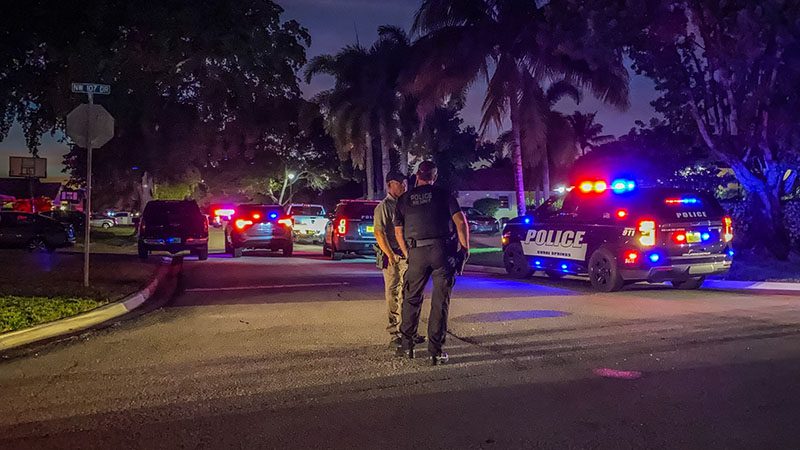
Law enforcement is not a normal desk job, and it is not a normal field job either. Officers may spend long hours sitting, then suddenly be required to sprint, restrain a suspect, respond to a crash, or manage a high-pressure emergency.
This constant shift between stillness and intensity can place strain on the cardiovascular system. Research from the University at Buffalo has shown that police work is associated with increased subclinical cardiovascular disease, including higher levels of plaque buildup in the carotid artery.
Cardiovascular Risk in Law Enforcement
Heart Health Can Become a Silent Threat
Cardiovascular disease is one of the most important health concerns facing police officers. Chronic stress, rotating shifts, poor sleep, long sedentary periods, and sudden physical exertion can all contribute to heart-related risk over time.
Studies have also found that sudden cardiac death accounts for a meaningful percentage of on-duty police deaths, with risk increasing sharply during high-stress duties such as physical restraints, altercations, and suspect pursuits.
For many officers, the danger is not only what happens during a shift. It is what has been building silently for years.
How Preventive Imaging Can Help
A heart scan can help identify calcified plaque in the coronary arteries through a coronary calcium score. This score can give officers and their physicians a clearer picture of potential cardiovascular risk before symptoms appear.
For first responders, that kind of visibility matters. It can create an opportunity to follow up earlier, make lifestyle changes, speak with a doctor, or pursue additional testing when needed.
Metabolic, Sleep, and Shift-Work Risks
Long Shifts and Poor Sleep Add Up
Police officers often work nights, rotating schedules, overtime, and irregular shifts. Over time, this can affect sleep quality, metabolism, blood pressure, inflammation, and recovery.
Research connected to the Buffalo Cardio-Metabolic Occupational Police Stress study has found that officers experience higher rates of short sleep and metabolic syndrome when compared with the general employed population.
Sitting for Hours Can Still Affect the Body
Many officers spend extended periods inside patrol vehicles or at posts. This sedentary time, combined with stress and disrupted sleep, can contribute to vascular and metabolic changes.
Even officers who appear physically capable may still have hidden risks developing internally. Preventive screening gives them a chance to look beyond how they feel and better understand what may be happening inside the body.
Stress, Inflammation, and Long-Term Health
The Body Was Not Designed to Stay on Alert Forever
Police officers often live in a state of hypervigilance. Even when a shift appears quiet, the body may remain ready for danger. This can affect stress hormones, blood pressure, inflammation, heart rate, and overall recovery.
The CDC’s National Institute for Occupational Safety and Health has highlighted the health impact of occupational stress among police officers, including its relationship to cardiovascular and metabolic risk factors.
This is why preventive screening should not be viewed as an extra. For many departments, it can become part of a broader officer wellness strategy.
Cancer and Long-Term Screening Awareness
Shift Work and Circadian Disruption Are Health Concerns
Many first responders work overnight or rotating shifts. The International Agency for Research on Cancer has classified night shift work as probably carcinogenic to humans because of its impact on circadian rhythm disruption.
That does not mean every officer working night shifts will develop cancer. It means the connection between long-term shift work, disrupted sleep, and health risk is important enough to take seriously.
Preventive imaging can help support early detection conversations, especially for officers who have spent years working stressful and irregular schedules.
Cancer and Long-Term Screening Awareness
Depending on the scan selected, Life Imaging FLA may help evaluate areas such as:
Heart and Arteries
A coronary calcium scan can help identify calcified plaque in the arteries of the heart. This may help officers better understand their potential cardiovascular risk.
Lungs
Low-dose CT imaging can help detect certain lung findings that may not be visible on a standard X-ray.
Abdomen and Pelvis
A full body scan may include imaging of major organs in the abdomen and pelvis, depending on the package selected.
Full Body Wellness Baseline
For officers who have spent years in high-stress environments, a preventive scan can provide a helpful baseline to review with a physician.
For Departments With an Existing Contract
For Departments With an Existing Contract
If your police department already has an existing agreement with Life Imaging FLA, officers can use this page to request scheduling for a full body scan through the contract pathway.
Use the form below and select:
Book a Full Body Scan — Existing Contract
A Life Imaging FLA team member will help confirm your department, answer basic scheduling questions, and guide you through the next step.
For Departments Requesting More Information
If your department is exploring preventive health screening for officers, Life Imaging FLA can help explain the process, scan options, scheduling flow, and how department-based programs are typically organized.
This may be helpful for:
- Police departments building officer wellness programs
- Union representatives looking for preventive health resources
- City leaders evaluating first responder benefits
- HR teams coordinating department health initiatives
- Command staff focused on readiness and long-term officer wellness
Proactive Health for Officers on the Front Line
First responders face demanding schedules, high-stress calls, and long hours on duty. Preventive imaging gives officers a clearer way to understand hidden health risks before symptoms appear.
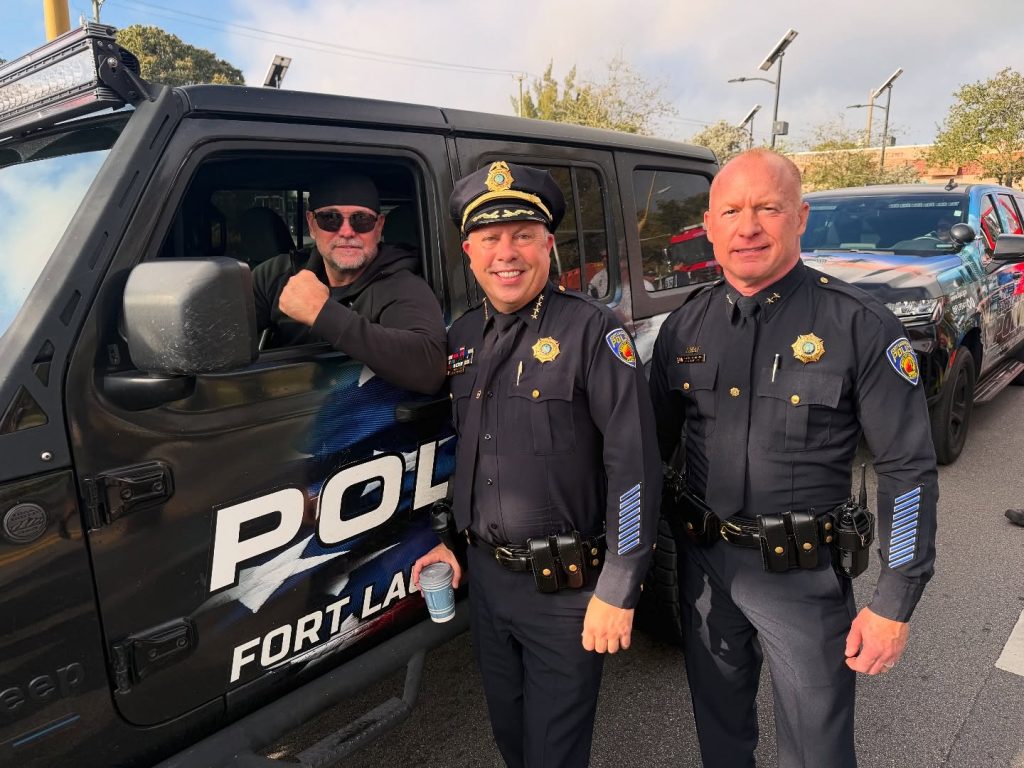
Supporting Department-Wide Wellness
Life Imaging FLA works with departments that want to make preventive screening easier, more accessible, and more organized for their officers.
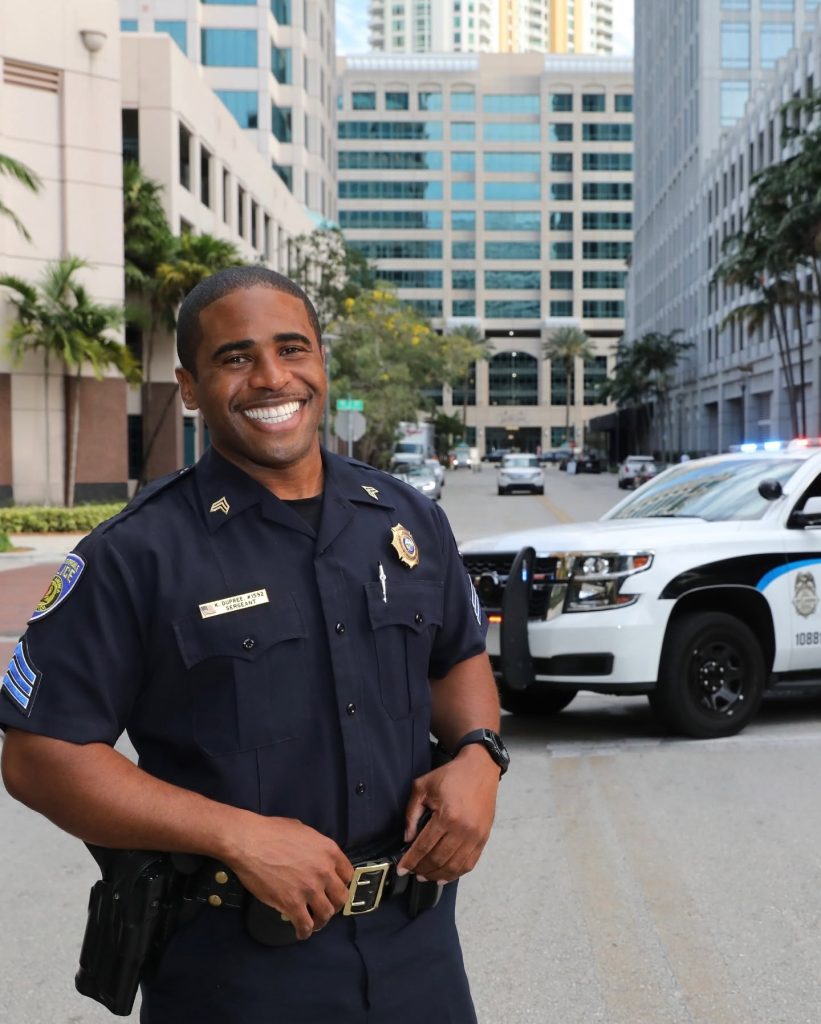
A Smarter Way to Protect Your Team
Officer wellness is not only about fitness. It is about early detection, better information, and giving first responders the tools to take action sooner.
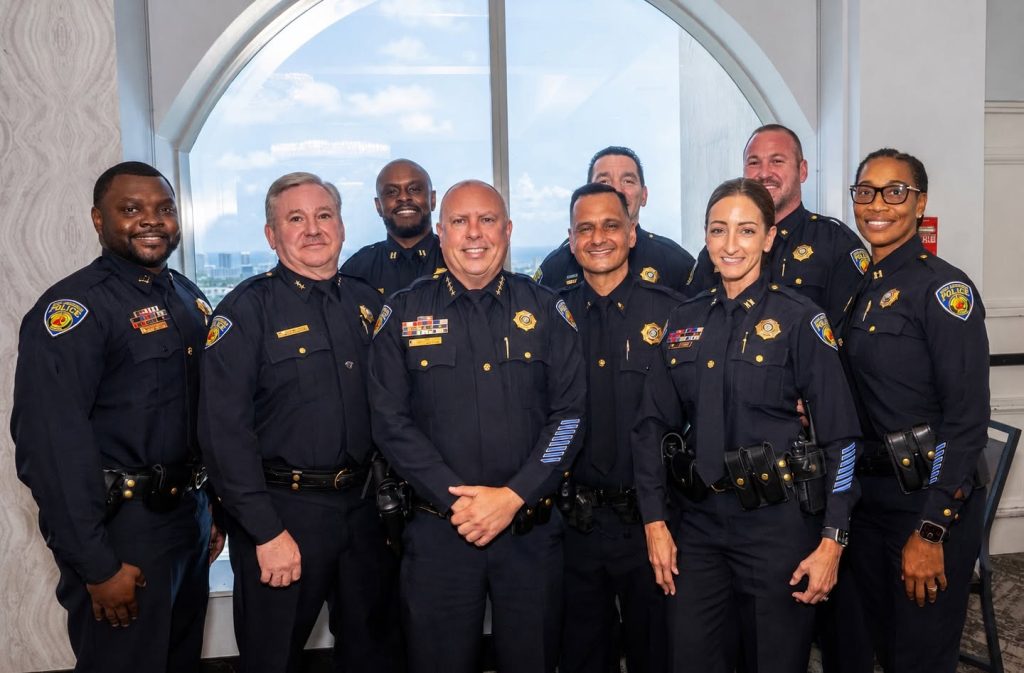
Fast, Non-Invasive Screening
Our low-dose CT scans are designed to be simple, efficient, and informative, helping officers get valuable health insights without disrupting their entire day.
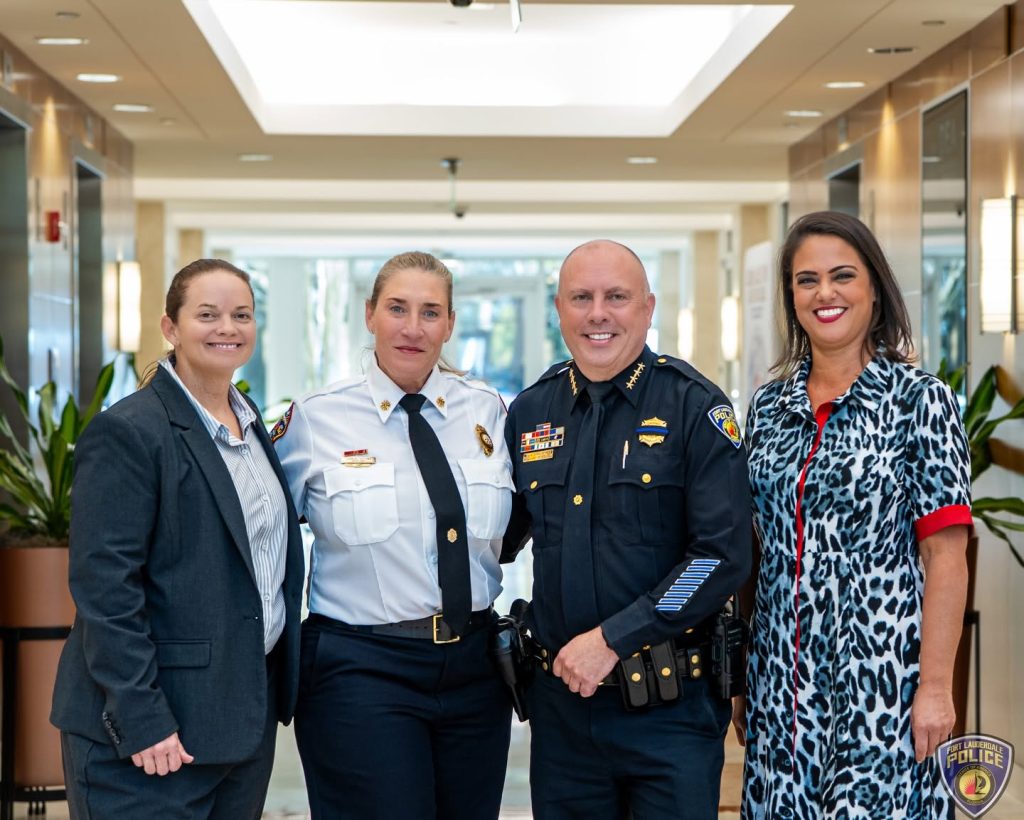
Built Around Prevention
Preventive imaging can help officers and their physicians identify certain concerns earlier, creating an opportunity for follow-up before a health issue becomes urgent.
What to Expect During the Visit
1. Simple Check-In
Officers arrive for their scheduled appointment and complete the required intake information.
2. Quick, Non-Invasive Imaging
The scan is designed to be comfortable and efficient. The heart scan does not require needles, dyes, or blood work.
3. Imaging Review
Images are reviewed by qualified medical professionals, and results are organized into a clear report.
4. Follow-Up Guidance
Officers can take their report to their personal physician or healthcare provider for follow-up conversations and next-step recommendations.
5. Back to Your Day
The scan itself is fast, and most officers can return to normal activities after the appointment.
Request More Information or Book Your Scan
Use the form below to request more information or book a full body scan through an existing department contract.
Life Imaging FLA will contact you to help with scheduling, department verification when applicable, and next steps. This form is not for medical emergencies. If you are experiencing urgent symptoms, call 911 or seek emergency care immediately.
Frequently Asked Questions
A first responder health scan is a preventive imaging option designed to help police officers and other first responders identify certain hidden health risks before symptoms appear. Depending on the scan selected, it may evaluate areas related to heart, lung, abdominal, pelvic, or full-body health.
Police officers face unique health pressures, including chronic stress, shift work, poor sleep, sedentary patrol hours, and sudden physical exertion. Preventive imaging can help officers better understand potential internal risks and discuss next steps with their physician.
Yes. If your department already has an existing agreement with Life Imaging FLA, select “Book a Full Body Scan – Existing Contract” on the form and our team will guide you through the scheduling process.
Yes. Department leaders, HR teams, union representatives, and city officials can request more information through the form on this page.
No. A Life Imaging FLA scan does not replace your primary care physician, cardiologist, specialist, or emergency care. The scan provides imaging information that should be reviewed with your healthcare provider.
A heart scan can provide a coronary calcium score, which helps identify calcified plaque in the coronary arteries. This can help your physician better understand your potential cardiovascular risk.
No. The heart scan is non-invasive and does not require needles, dyes, or blood work.
The imaging portion is typically quick, although the full appointment may take longer because of check-in, preparation, review, and education.
This page is focused on police officers and law enforcement departments, but Life Imaging FLA may also support other first responder groups depending on the program and request.
If you are experiencing chest pain, shortness of breath, stroke symptoms, or any urgent medical concern, do not use this form. Call 911 or seek emergency care immediately.
Protect the People Who Protect Everyone Else
A police department’s greatest asset is its people. Life Imaging FLA helps officers take a proactive step toward understanding their health, identifying silent risks, and starting better conversations with their doctors.
If your department already has a contract, book your scan today. If you are exploring options for your agency, request more information and our team will help you understand the next step.