
Putting off colorectal screening is common. Some people worry about sedation. Others cannot easily arrange transportation or take an entire day away from work and family responsibilities. Virtual colonography near Delray Beach offers another way to examine the colon without sedation or a scope traveling through its full length.
Also called CT colonography or virtual colonoscopy, this examination uses CT imaging to create detailed views of the colon and rectum. A radiologist reviews the images for polyps and other visible changes that may need medical follow-up.
Delray Beach residents can complete this screening at our nearbyLife Imaging Deerfield Beach center. Our role is to provide preventive imaging and a radiology report that you can share with your physician. We do not diagnose conditions or replace the continuing care provided by your doctor.
If you are due for colorectal screening and want to understand whether virtual colonography may suit you,contact Life Imaging to request an appointment.
A CT-Based Approach to Colon Screening
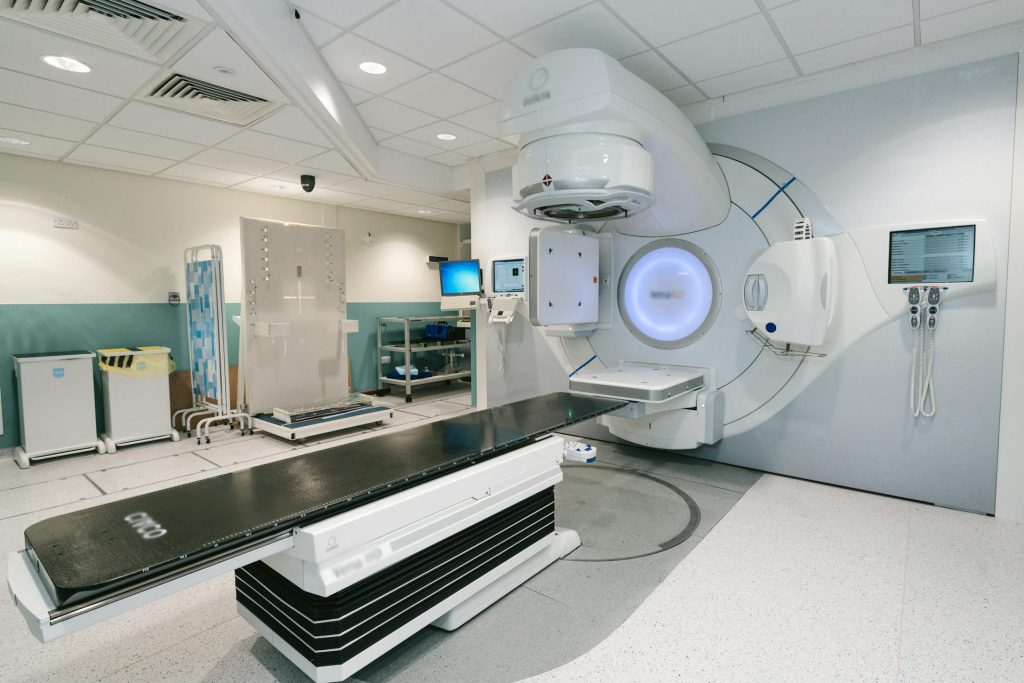
Virtual colonography examines the colon from outside the body. After the colon has been prepared and gently expanded, a CT scanner captures images from several angles. Computer software then organizes those images into detailed views that a radiologist can review.
The scan is designed to look for polyps and other visible irregularities. Polyps are growths that develop along the inner lining of the colon. Most are not cancer, but certain types can change over time. Finding a significant polyp allows your physician to discuss removal through a conventional colonoscopy.
No screening method finds every polyp or cancer. Virtual colonography tends to perform more consistently when looking for medium and large polyps than very small or flat ones. The quality of the bowel preparation also affects how clearly the colon can be examined.
Reasons Delray Beach Residents Consider Virtual Colonography
People arrive at this decision for different reasons. Some have delayed colorectal screening because a standard colonoscopy feels intimidating. Others have undergone an incomplete colonoscopy or want to discuss another recognized screening option with their physician.
Common reasons include:
- No sedation is normally required. You remain awake throughout the examination and can generally return to your usual activities afterward. Because anesthesia is not normally used, most patients do not need someone to drive them home.
- The examination is less invasive than conventional colonoscopy. A small tube is placed just inside the rectum so the colon can be expanded with gas, but a flexible camera does not travel through its full length. Temporary pressure, fullness, or cramping can still occur.
- The scan examines the entire colon. CT images allow the radiologist to review the colon and rectum from several reconstructed angles, including areas that may have been difficult to reach during an incomplete colonoscopy.
- The appointment can be easier to fit into a full day. The image capture is brief, and there is no anesthesia recovery period. Preparation still requires planning, so the appointment is not entirely preparation-free.
Convenience matters, but it should not be the only consideration. Your medical history and ability to complete follow-up are equally important.
Virtual Colonography and Conventional Colonoscopy
Virtual colonography and colonoscopy are both used for colorectal screening, but they do not accomplish the same things.
What Virtual Colonography Offers
Virtual colonography creates images without sedation or a scope passing through the entire colon. The procedure itself is relatively short, and there is normally no recovery period.
It may be useful for an average-risk adult who prefers a CT-based approach or for someone for whom a conventional colonoscopy could not be completed. The scan can also show portions of the abdomen and pelvis outside the colon, although those areas are not its main purpose.
What Conventional Colonoscopy Offers
Colonoscopy allows a physician to look directly at the colon lining. If a polyp is found, it can often be removed during the same appointment. Tissue can also be collected for laboratory analysis.
Virtual colonography cannot remove a polyp or perform a biopsy. A significant finding usually leads to conventional colonoscopy. This means someone choosing virtual colonography should be prepared to undergo a second procedure if the report recommends it.
One test is not universally better. The appropriate choice depends on screening history, personal risk, medical conditions, and individual preferences.
Virtual colonography and colonoscopy are both used for colorectal screening, but they do not accomplish the same things.
What Virtual Colonography Offers
Virtual colonography creates images without sedation or a scope passing through the entire colon. The procedure itself is relatively short, and there is normally no recovery period.
It may be useful for an average-risk adult who prefers a CT-based approach or for someone for whom a conventional colonoscopy could not be completed. The scan can also show portions of the abdomen and pelvis outside the colon, although those areas are not its main purpose.
What Conventional Colonoscopy Offers
Colonoscopy allows a physician to look directly at the colon lining. If a polyp is found, it can often be removed during the same appointment. Tissue can also be collected for laboratory analysis.
Virtual colonography cannot remove a polyp or perform a biopsy. A significant finding usually leads to conventional colonoscopy. This means someone choosing virtual colonography should be prepared to undergo a second procedure if the report recommends it.
One test is not universally better. The appropriate choice depends on screening history, personal risk, medical conditions, and individual preferences.
Colorectal Screening Eligibility and Timing
Average-risk adults are generally advised to begin colorectal cancer screening at age 45. Several approved screening methods are available, each with its own interval and preparation requirements.
TheU.S. Preventive Services Task Force lists CT colonography every 5 years as a screening option for adults ages 45 to 75. From ages 76 through 85, the decision becomes more individual and should consider overall health, previous screening, and personal preferences.
The five-year interval applies after a complete examination with no concerning findings. Another schedule may be recommended when the preparation is inadequate, part of the colon cannot be evaluated, or a finding requires monitoring.
People with a previous advanced polyp, colorectal cancer, inflammatory bowel disease, or a hereditary cancer syndrome may need a different approach. A physician can determine whether conventional colonoscopy is more appropriate.
Preparing for Virtual Colonography
Why Choose Life Imaging Near Delray Beach?

- We Explain the Preparation Clearly Bowel preparation directly affects image quality. We provide instructions before the appointment so you have time to organize the diet, cleansing products, and tagging material.
- We Use CT Imaging Without Routine Sedation The examination is performed while you are awake and does not normally require anesthesia. Most patients can return to their regular activities after leaving the center.
- A Radiologist Reviews the Images You receive a written report that you can share with your primary care physician or gastroenterologist. Your doctor remains responsible for medical interpretation and any follow-up decision.
- We Remain Clear About the Limits Virtual colonography can identify many significant polyps, but it cannot remove them. We will not present the screening as a replacement for conventional colonoscopy in every situation.
Both examinations require a clean colon, although the exact preparation products may differ. Virtual colonography commonly includes a temporary diet, laxative preparation, and oral tagging material. Follow the instructions supplied for your appointment rather than using an old colonoscopy plan.
Sedation and anesthesia are not normally used. You remain awake during the scan and can usually drive yourself home. You may feel temporary pressure or cramping while the colon is expanded.
Its performance is strongest for medium and large polyps. Accuracy can be lower for very small or flat lesions and when bowel preparation is incomplete. No colorectal screening test identifies every polyp or cancer.
Your physician may recommend conventional colonoscopy, particularly when a significant polyp is found. Colonoscopy allows the growth to be removed and sent for laboratory analysis. Life Imaging provides the scan and report but does not remove polyps.
Rectal bleeding is a symptom that needs medical evaluation. A preventive virtual colonography appointment may not be the appropriate first step. Speak with a physician, who can determine whether colonoscopy, diagnostic imaging, laboratory testing, or another evaluation is needed.
Our Deerfield Beach center is the appropriate location for most Delray Beach residents. Appointment availability and preparation requirements should be confirmed before you travel.
Schedule Virtual Colonography Near Delray Beach
If you have postponed colorectal screening because sedation, recovery time, or the invasive nature of conventional colonoscopy concerns you, virtual colonography may be an option worth discussing.
The examination uses CT imaging, does not normally require sedation, and allows most people to return to their routine afterward. It still requires thorough preparation, and a significant finding will usually need conventional colonoscopy.
Life Imaging provides virtual colonography at our Deerfield Beach center for residents of Delray Beach and surrounding communities. We prepare the images and radiology report so you can review the findings with your healthcare provider.
Contact Life Imaging to request your appointment and receive the preparation instructions. After the scan, bring the report to your physician to discuss the results and determine when or how you should be screened again.